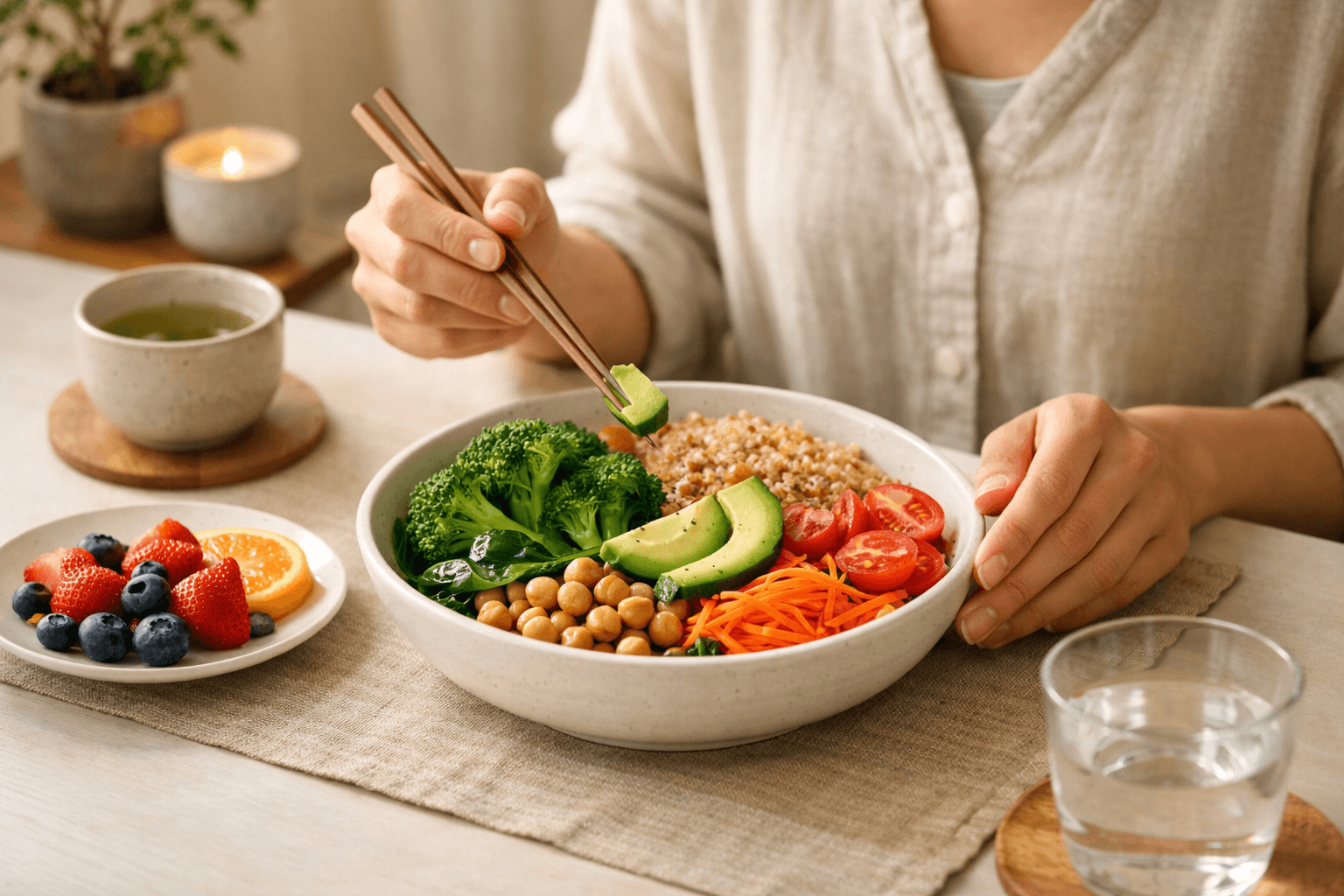
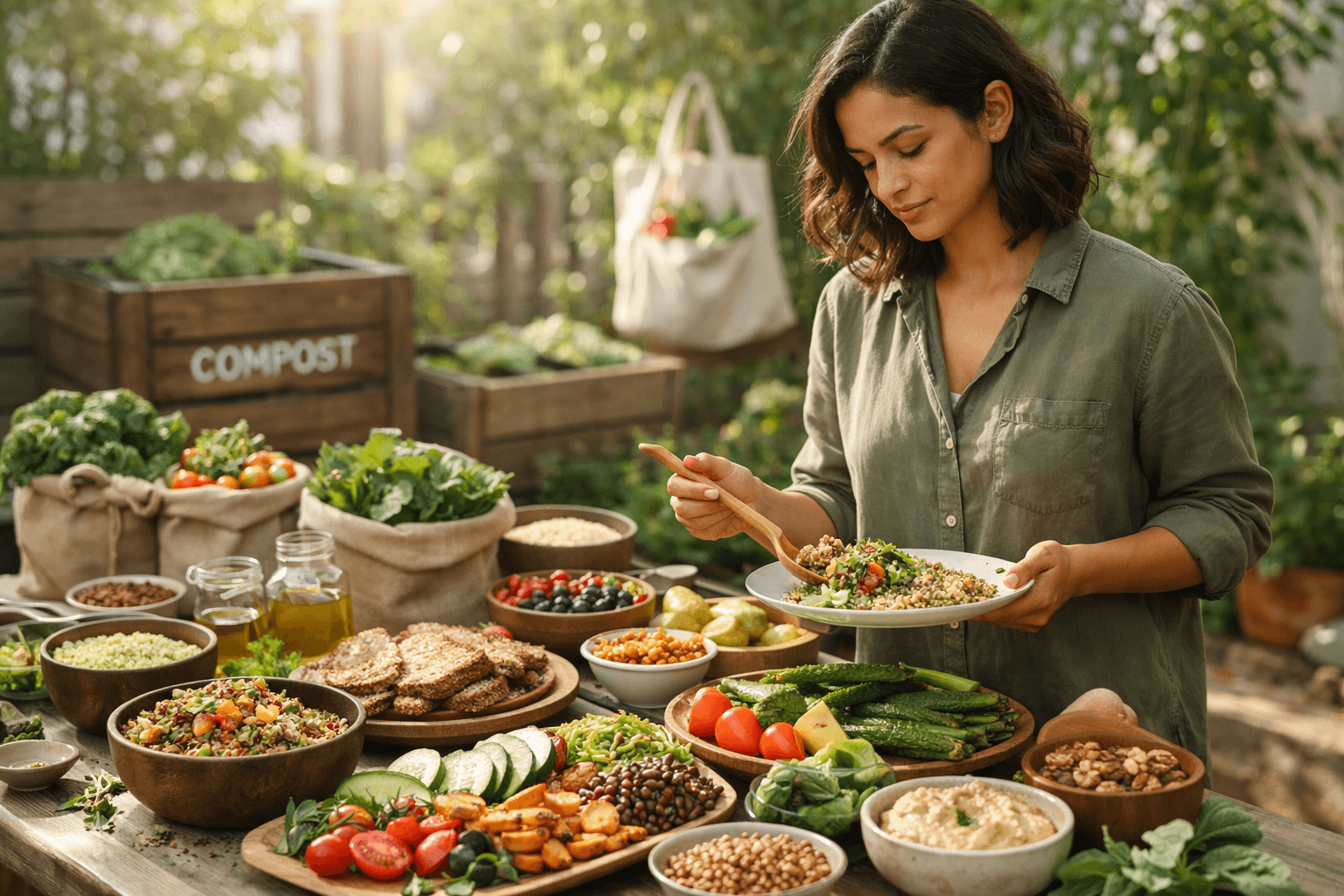
Sustainable eating is about making food choices that are healthy for both you and the environment. It's a way of eating that considers the long-term impact of our food system on the planet and future generations.
What Is Sustainable Eating?
Sustainable eating means choosing foods that: - Are produced in ways that protect the environment - Support local economies and farmers - Are nutritious and healthful - Are accessible and affordable - Respect animal welfare - Minimize waste
Why It Matters
Our food system has a significant environmental impact: - Agriculture accounts for a large portion of greenhouse gas emissions - Food production uses substantial amounts of water and land - Food waste contributes to environmental problems - Transportation of food creates carbon emissions
Principles of Sustainable Eating
Eat More Plants
Plant-based foods generally have a lower environmental footprint than animal products. You don't have to go fully vegan, but incorporating more plant foods into your diet is one of the most impactful changes you can make.
Choose Local and Seasonal
Locally grown, seasonal foods: - Require less transportation (reducing carbon emissions) - Support local farmers and economies - Are often fresher and more nutritious - Help preserve agricultural diversity
Visit farmers' markets or join a CSA (Community Supported Agriculture) program.
Reduce Food Waste
Approximately one-third of all food produced is wasted. To reduce waste: - Plan meals and shop with a list - Store food properly to extend freshness - Use leftovers creatively - Compost food scraps - Understand expiration dates (many foods are safe after the "best by" date)
Choose Sustainable Proteins
When eating animal products: - Opt for sustainably sourced fish (check Seafood Watch guides) - Choose grass-fed, pasture-raised options when possible - Reduce portion sizes - Consider plant-based protein alternatives
Minimize Processed Foods
Processed foods often: - Require more energy to produce - Come in excessive packaging - Contain ingredients that traveled long distances - Have a higher environmental footprint
Buy in Bulk
Buying in bulk reduces packaging waste and often saves money. Bring your own containers to bulk food stores when possible.
Grow Your Own
Even a small herb garden or container vegetables can: - Reduce your food miles to zero - Provide fresh, organic produce - Connect you with your food - Save money
Support Sustainable Practices
Look for certifications like: - Organic - Fair Trade - Rainforest Alliance - Marine Stewardship Council (for seafood)
Practical Steps
Start small and build: 1. Meatless Mondays: Dedicate one day a week to plant-based meals 2. Local shopping: Buy one item locally each week 3. Reduce waste: Track your food waste for a week and identify areas for improvement 4. Seasonal eating: Try one new seasonal vegetable each month 5. Bulk buying: Start with one item you use regularly
The Health Connection
Sustainable eating often aligns with healthy eating: - More whole foods - Less processed foods - Greater variety - More fruits and vegetables
Challenges and Solutions
Cost: Sustainable foods can be more expensive. Solutions include: - Buying in season - Growing your own - Reducing waste (saves money) - Prioritizing which sustainable choices matter most to you
Availability: Not everyone has access to local or organic foods. Do what you can with what's available to you.
Time: Meal planning and cooking from scratch takes time. Batch cooking and meal prep can help.
The Bigger Picture
Remember that perfect is the enemy of good. Every small step toward more sustainable eating makes a difference. Focus on progress, not perfection.
Community Impact
Sustainable eating isn't just individual - it's about building community: - Support local farmers - Share resources and knowledge - Advocate for better food policies - Educate others
The Bottom Line
Sustainable eating is a journey, not a destination. Start where you are, make changes that feel manageable, and build from there. Your choices matter, and together, we can create a more sustainable food system for everyone.