
The Mediterranean diet has been consistently ranked as one of the healthiest eating patterns in the world. Based on the traditional foods and cooking styles of countries bordering the Mediterranean Sea, this diet emphasizes whole foods, healthy fats, and a balanced approach to eating.
What Makes It Special
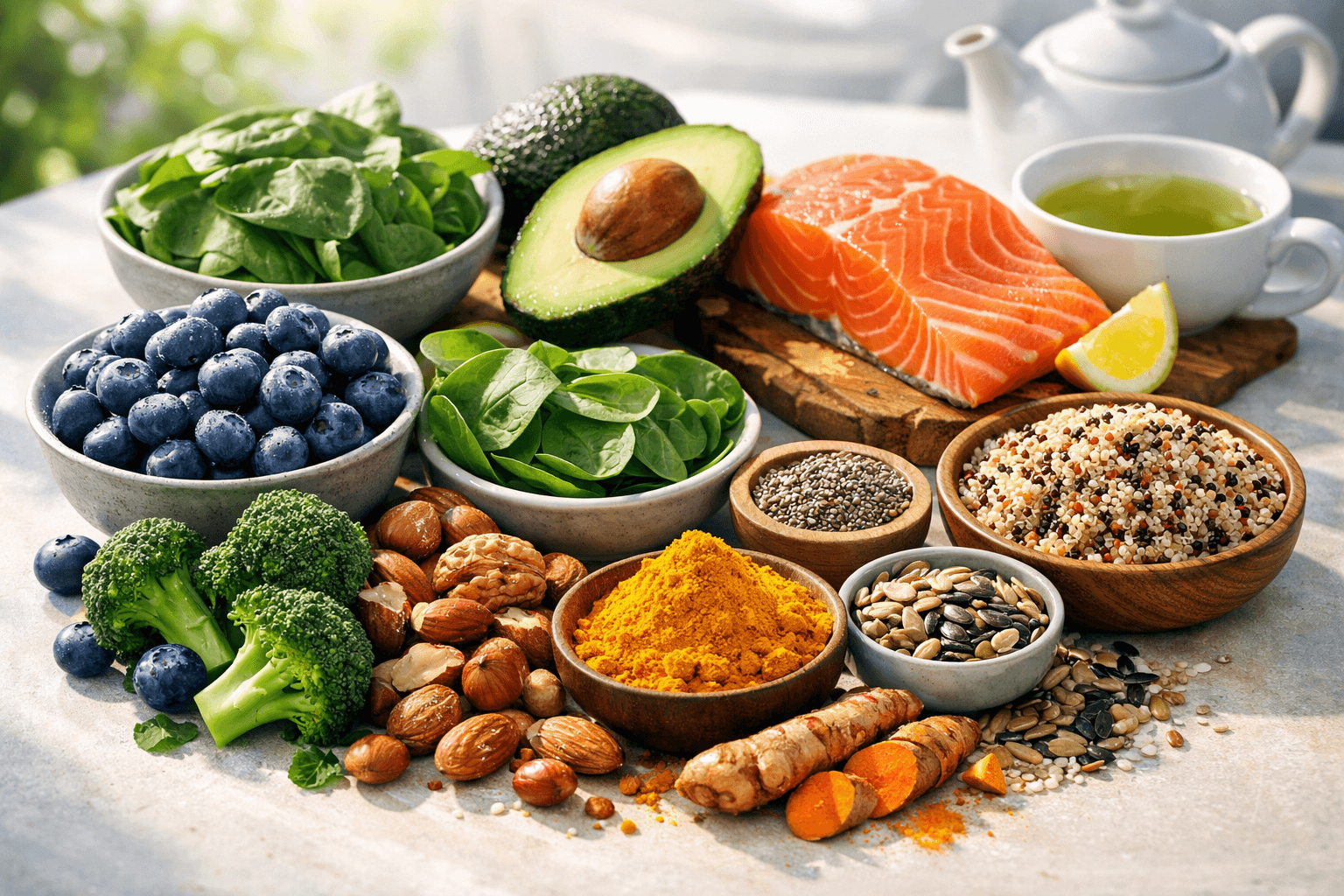
Unlike restrictive diets, the Mediterranean diet is more of a lifestyle approach. It focuses on what you should eat more of rather than what you should eliminate. The foundation includes plenty of fruits, vegetables, whole grains, legumes, nuts, and olive oil.
Key Components
Olive oil is the primary source of fat in the Mediterranean diet. Rich in monounsaturated fats and antioxidants, it's used for cooking, dressing salads, and even drizzling over bread. This healthy fat supports heart health and reduces inflammation.
Fish and seafood are consumed regularly, typically two to three times per week. Fatty fish like salmon, mackerel, and sardines provide omega-3 fatty acids that are essential for brain and heart health.
Fruits and vegetables take center stage, with meals built around these nutrient-dense foods. They're consumed in abundance, providing vitamins, minerals, fiber, and antioxidants.
Whole grains like barley, bulgur, farro, and whole wheat are preferred over refined grains. These provide sustained energy and important nutrients.
Legumes, including beans, lentils, and chickpeas, are a staple protein source. They're affordable, versatile, and packed with fiber and plant-based protein.
Nuts and seeds are enjoyed daily in moderation. They provide healthy fats, protein, and important micronutrients.
What to Limit
Red meat is consumed sparingly, typically only a few times per month. When included, portions are small and used more as a flavoring than a main component.
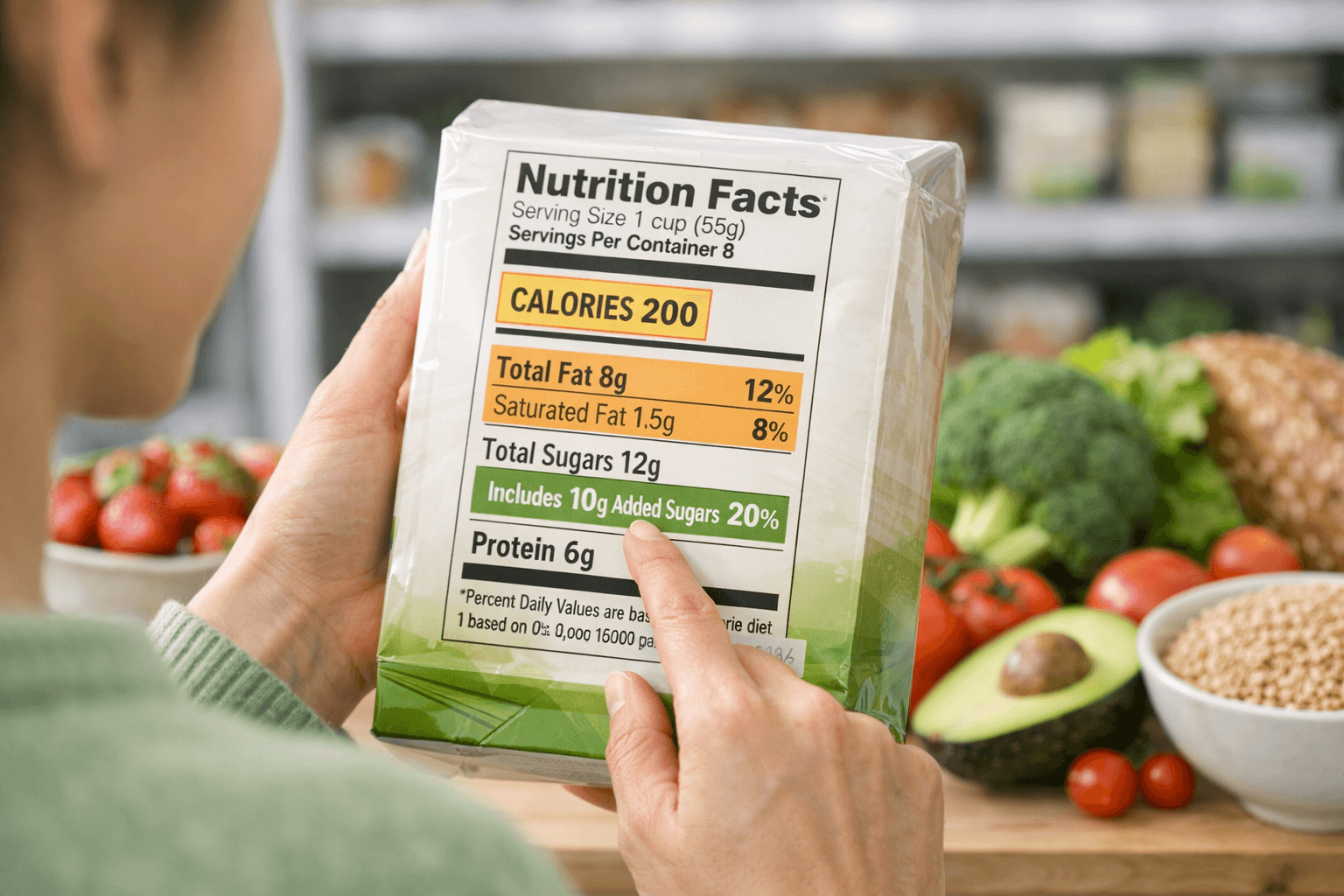
Processed foods, refined sugars, and refined grains are minimized. The focus is on whole, minimally processed foods.
Health Benefits
Research has shown that following a Mediterranean diet can reduce the risk of heart disease, stroke, and type 2 diabetes. It's also associated with better brain health, improved mood, and healthy weight management.
Getting Started
Begin by incorporating more vegetables into your meals. Aim to fill half your plate with vegetables at lunch and dinner. Switch to whole grains, use olive oil for cooking, and include fish in your weekly meal plan. Remember, it's about progress, not perfection.