A plant-based diet has gained popularity for its health benefits, environmental impact, and ethical considerations. Whether you're going fully vegan or simply incorporating more plant foods, understanding how to do it right is essential.
What Is Plant-Based Eating?
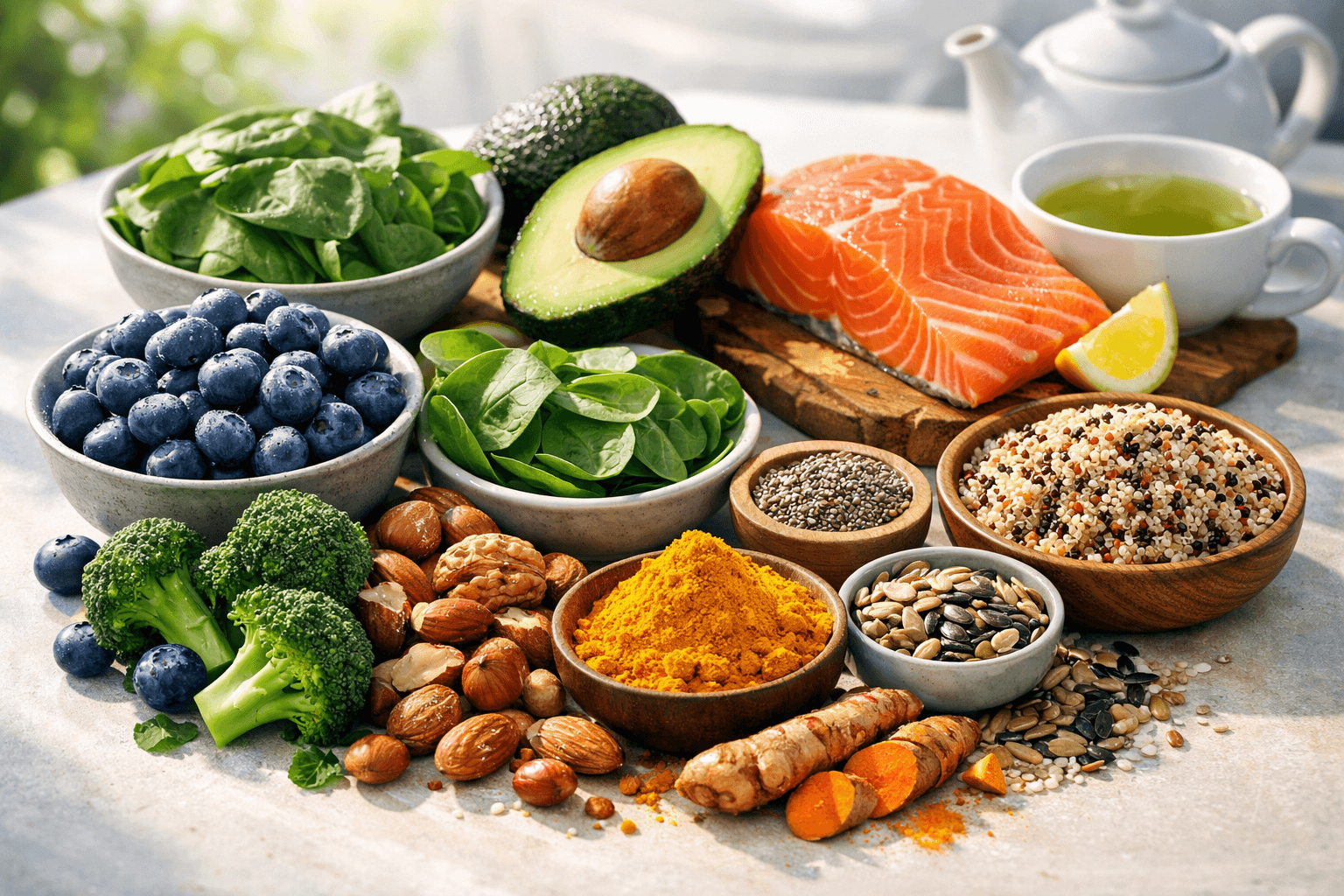
Plant-based eating focuses on foods primarily from plants. This includes not only fruits and vegetables, but also nuts, seeds, oils, whole grains, legumes, and beans. It doesn't necessarily mean you're vegetarian or vegan - it's about making plant foods the foundation of your diet.
Key Nutrients to Focus On
When transitioning to plant-based eating, pay attention to these nutrients:
Protein is found in many plant foods. Excellent sources include: - Legumes (beans, lentils, chickpeas) - Tofu and tempeh - Nuts and seeds - Whole grains (quinoa, farro, brown rice) - Seitan
Aim to include protein in every meal to meet your daily needs.
Iron from plant sources (non-heme iron) is less easily absorbed than from animal sources. Boost absorption by pairing iron-rich foods with vitamin C. Good sources include lentils, spinach, tofu, and fortified cereals.
Calcium doesn't only come from dairy. Find it in: - Fortified plant milks - Tofu made with calcium sulfate - Dark leafy greens (kale, collard greens) - Almonds and tahini
Vitamin B12 is primarily found in animal products, so if you're going fully plant-based, you'll need a supplement or B12-fortified foods.
Omega-3 Fatty Acids can be obtained from: - Flaxseeds and chia seeds - Walnuts - Algae-based supplements
Building Balanced Meals
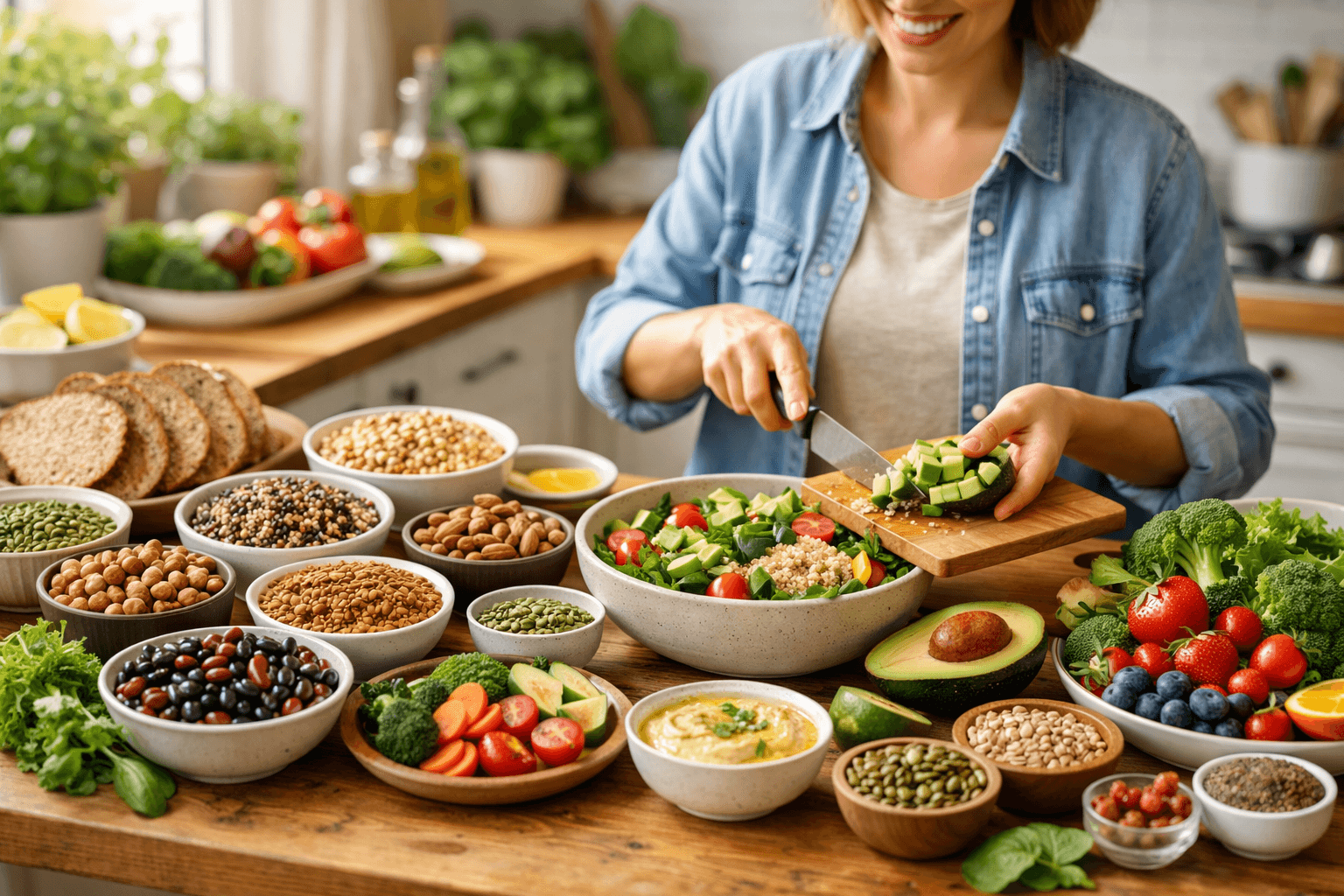
Aim for variety and balance: - Fill half your plate with vegetables - Include a protein source - Add whole grains for energy - Include healthy fats (avocado, nuts, olive oil)
Making the Transition
Start gradually. Try "Meatless Monday" or swap one meal a day to plant-based. Explore new foods and recipes. Many people find they enjoy the variety and flavors of plant-based cooking.
Common Concerns
"Will I get enough protein?" Yes, with proper planning. Most people easily meet protein needs on a plant-based diet.
"Will I feel satisfied?" Absolutely. Plant foods are rich in fiber, which promotes satiety. Healthy fats and proteins also keep you full.
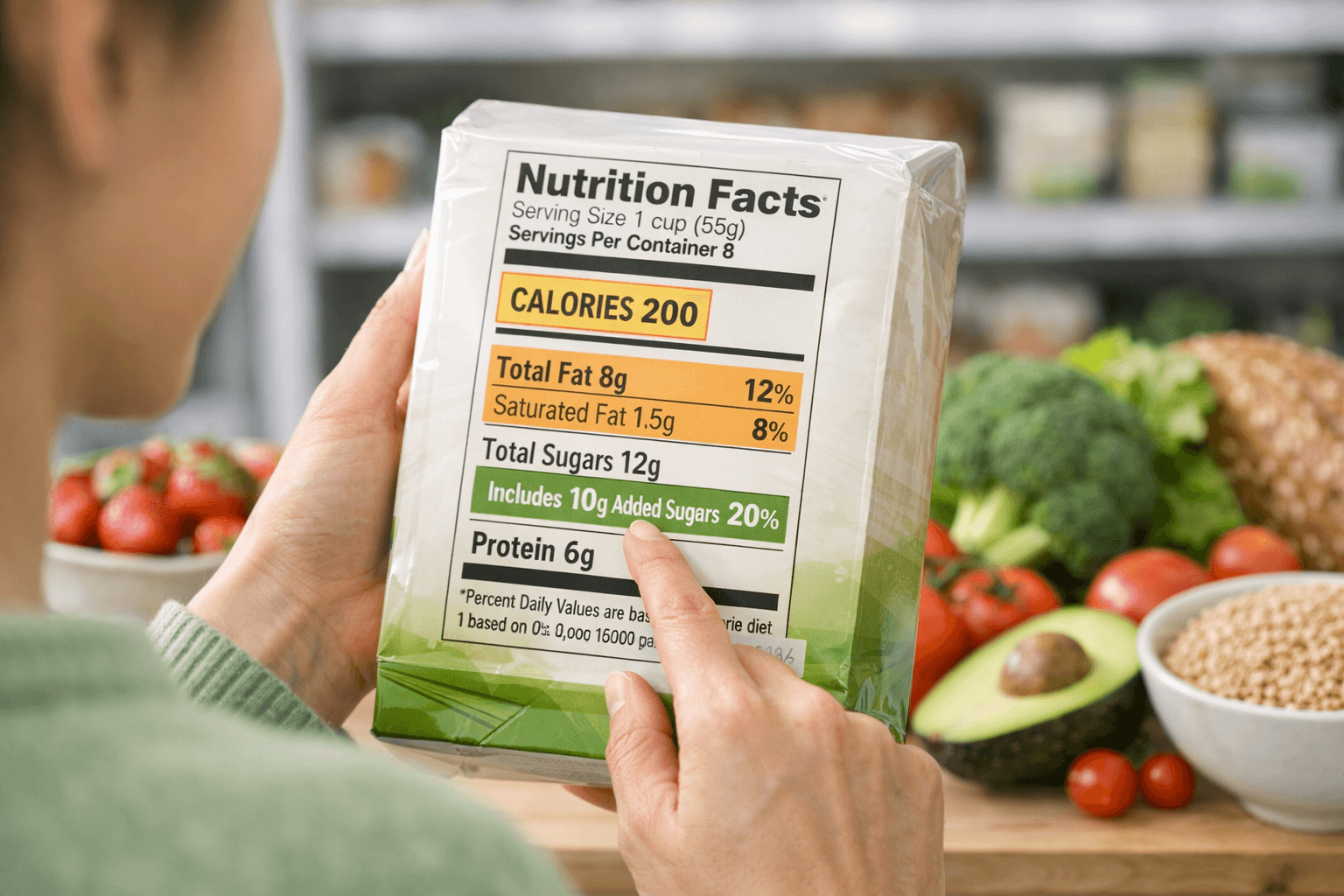
"Is it expensive?" It can be very affordable. Focus on whole foods like beans, grains, and seasonal vegetables rather than expensive processed alternatives.
Delicious Plant-Based Swaps
- Use lentils instead of ground meat in pasta sauces - Try jackfruit as a pulled pork alternative - Make cashew cream instead of heavy cream - Use nutritional yeast for a cheesy flavor - Explore plant-based milks (oat, almond, soy)
Remember, there's no one "right" way to eat plant-based. Find what works for you and your lifestyle.