Food allergies and intolerances affect millions of people worldwide, yet many don't understand the difference between them or how to manage them effectively. Understanding these conditions is crucial for your health and safety.
Food Allergies vs. Intolerances
A food allergy involves your immune system. When you have an allergy, your body mistakenly identifies a food protein as harmful and launches an immune response. This can cause symptoms ranging from mild (hives, itching) to severe (anaphylaxis, which can be life-threatening).
A food intolerance, on the other hand, doesn't involve the immune system. Instead, your body has difficulty digesting a particular food. Symptoms are typically less severe and may include bloating, gas, diarrhea, or stomach pain.
Common Food Allergens
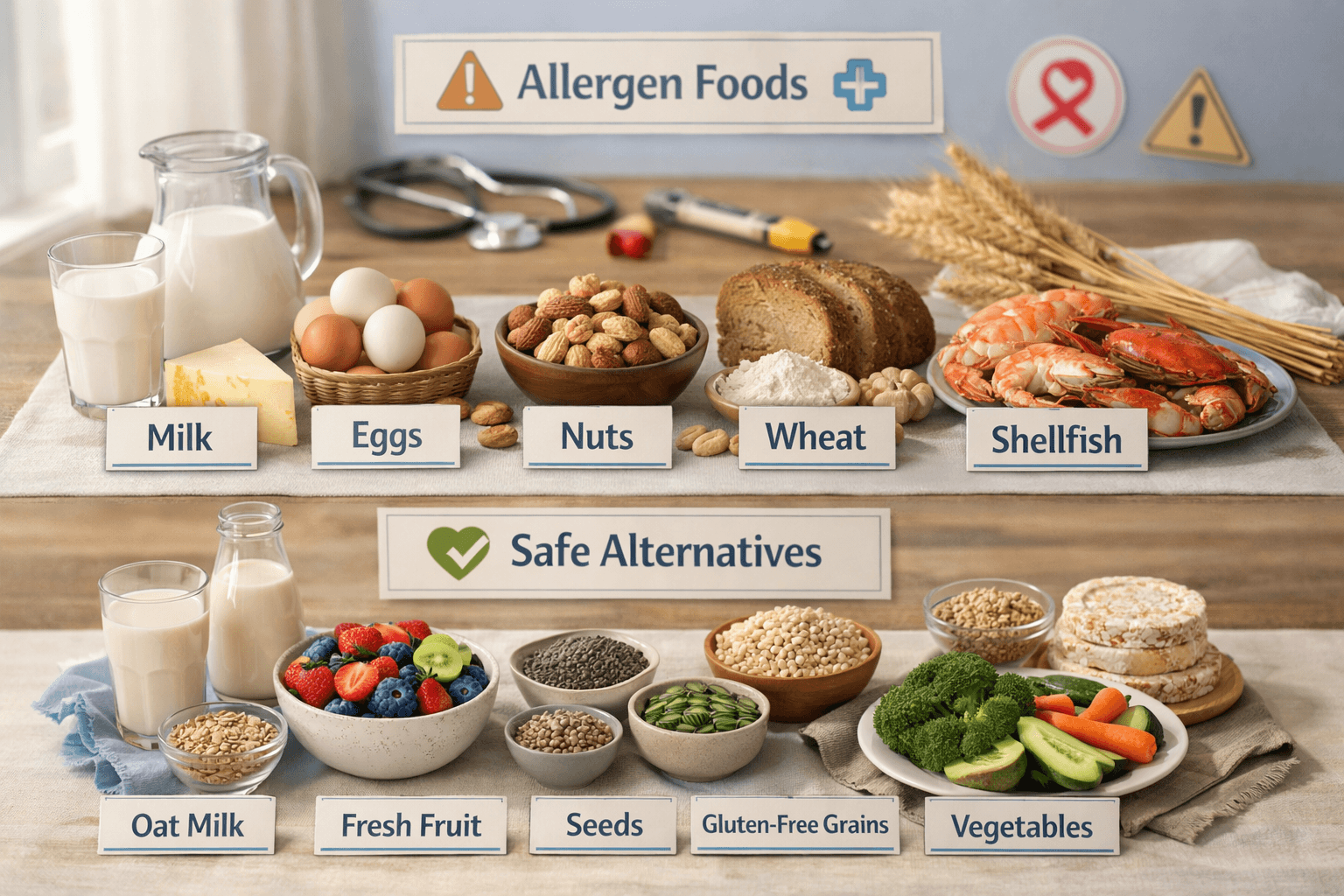
The "Big 8" allergens account for about 90% of all food allergies: - Milk - Eggs - Fish - Shellfish - Tree nuts - Peanuts - Wheat - Soybeans
Recognizing Symptoms
Allergy symptoms can appear within minutes to hours after eating and may include: - Hives or skin rash - Swelling of the face, lips, or tongue - Difficulty breathing - Nausea or vomiting - Dizziness or fainting
Intolerance symptoms are usually delayed and may include: - Bloating and gas - Stomach cramps - Diarrhea - Headaches - Fatigue
Getting Diagnosed
If you suspect a food allergy or intolerance, consult with an allergist or gastroenterologist. They can perform tests to identify the specific trigger. Never try to diagnose yourself, as this can be dangerous.
Managing Your Condition
Once diagnosed, the primary treatment for food allergies is strict avoidance of the allergen. Always read food labels carefully, ask about ingredients when dining out, and carry an epinephrine auto-injector if prescribed.
For intolerances, you may be able to consume small amounts of the problematic food. Working with a dietitian can help you identify your tolerance level and ensure you're still getting adequate nutrition.
Living Well
Having a food allergy or intolerance doesn't mean you can't enjoy food. With proper planning and awareness, you can maintain a varied, nutritious, and delicious diet. Many restaurants now offer allergen-friendly options, and there are countless resources and communities available for support.