Chronic inflammation is linked to numerous health conditions, including heart disease, diabetes, arthritis, and even cancer. The good news is that your diet can play a powerful role in managing inflammation naturally.
Understanding Inflammation
Inflammation is your body's natural response to injury or infection. Acute inflammation is beneficial and helps with healing. However, chronic inflammation - low-grade, persistent inflammation - can damage healthy cells and contribute to disease.
Signs of Chronic Inflammation
- Persistent fatigue - Joint pain or stiffness - Digestive issues - Frequent infections - Skin problems - Mood changes - Weight gain
The Anti-Inflammatory Diet
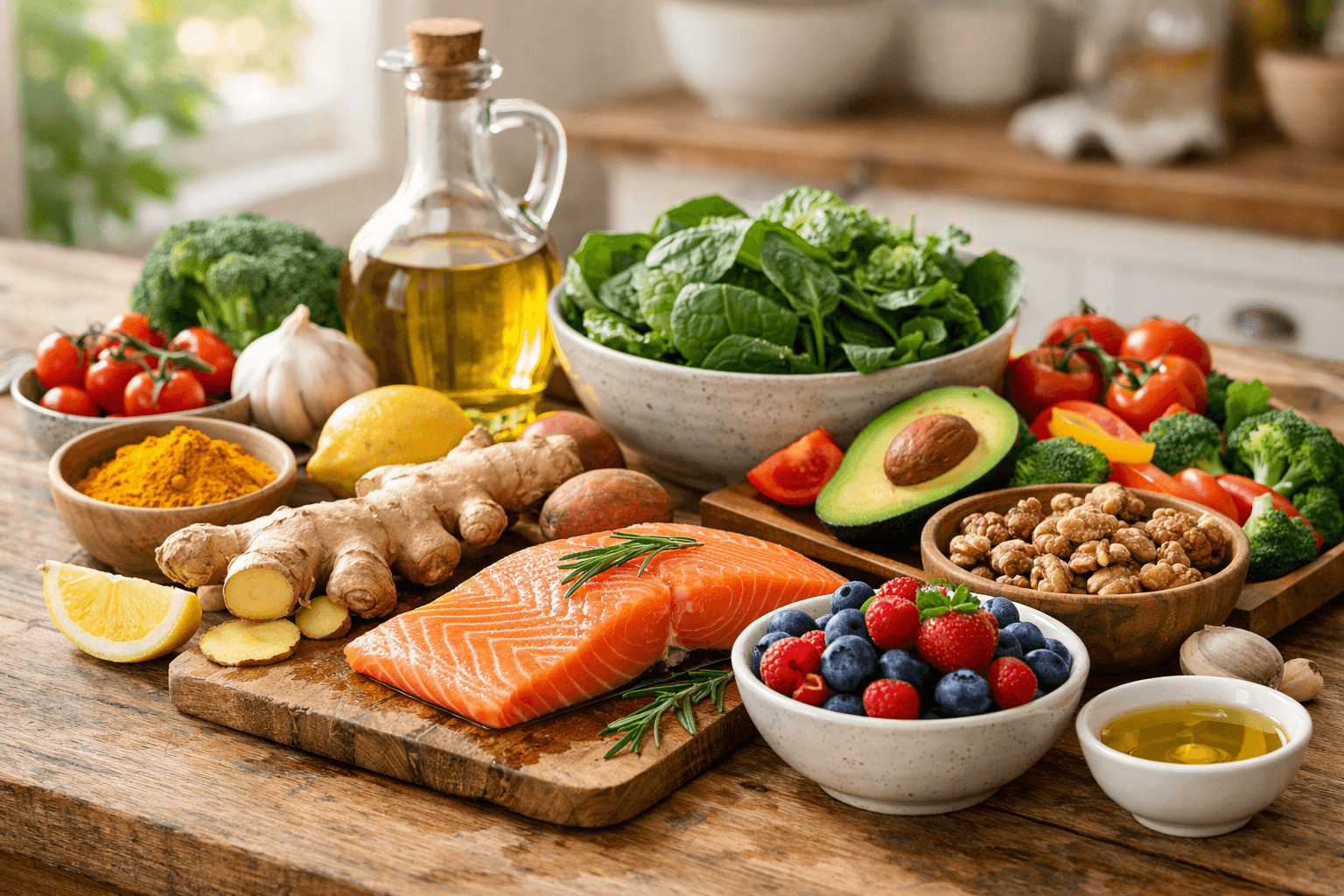
An anti-inflammatory diet emphasizes whole, nutrient-dense foods while limiting processed foods, refined sugars, and unhealthy fats. It's similar to the Mediterranean diet and focuses on:
Fatty Fish: Salmon, mackerel, sardines, and tuna are rich in omega-3 fatty acids, which have powerful anti-inflammatory effects. Aim for 2-3 servings per week.
Leafy Greens: Spinach, kale, collard greens, and Swiss chard are packed with antioxidants and anti-inflammatory compounds.
Berries: Blueberries, strawberries, raspberries, and blackberries contain anthocyanins, antioxidants that reduce inflammation.
Nuts and Seeds: Walnuts, almonds, chia seeds, and flaxseeds provide healthy fats and antioxidants.
Olive Oil: Extra virgin olive oil contains oleocanthal, which has anti-inflammatory properties similar to ibuprofen.
Tomatoes: Rich in lycopene, an antioxidant that reduces inflammation, especially when cooked.
Turmeric: Contains curcumin, a compound with potent anti-inflammatory effects. Pair with black pepper for better absorption.
Green Tea: Contains EGCG, an antioxidant that reduces inflammation and supports overall health.
Dark Chocolate: (70% cocoa or higher) provides flavonoids that reduce inflammation. Enjoy in moderation.
Whole Grains: Oats, brown rice, and quinoa provide fiber and antioxidants that support anti-inflammatory processes.
Foods to Limit or Avoid
Processed Foods: Often contain trans fats, refined sugars, and additives that promote inflammation.
Refined Sugars: Found in sodas, sweets, and many processed foods, sugar triggers inflammatory responses.
Refined Grains: White bread, white rice, and pasta can spike blood sugar and promote inflammation.
Processed Meats: Bacon, sausage, and deli meats contain compounds that can increase inflammation.
Excessive Alcohol: While moderate amounts may have benefits, excessive alcohol consumption promotes inflammation.
Vegetable Oils: Some vegetable oils high in omega-6 fatty acids can promote inflammation when consumed in excess.
Building an Anti-Inflammatory Meal Plan
Breakfast Ideas - Oatmeal with berries and walnuts - Greek yogurt with blueberries and chia seeds - Scrambled eggs with spinach and tomatoes - Smoothie with leafy greens, berries, and flaxseeds
Lunch Ideas - Grilled salmon salad with olive oil dressing - Quinoa bowl with vegetables and chickpeas - Mediterranean wrap with hummus and vegetables - Lentil soup with whole grain bread
Dinner Ideas - Baked salmon with roasted vegetables - Chicken stir-fry with brown rice and vegetables - Turmeric-spiced vegetables with quinoa - Bean chili with avocado and whole grain crackers
Snack Ideas - Apple with almond butter - Mixed nuts and berries - Dark chocolate (70%+ cocoa) - Vegetable sticks with hummus
Supplements for Inflammation
While food should be your primary source of nutrients, some supplements may help: - Omega-3 fatty acids (if not eating fish regularly) - Turmeric/curcumin supplements - Probiotics for gut health - Vitamin D (if deficient)
Always consult with a healthcare provider before starting supplements.
Lifestyle Factors
Diet is just one part of managing inflammation: - Regular exercise reduces inflammation - Quality sleep supports immune function - Stress management is crucial - Maintaining a healthy weight helps - Not smoking is essential
The Role of Gut Health
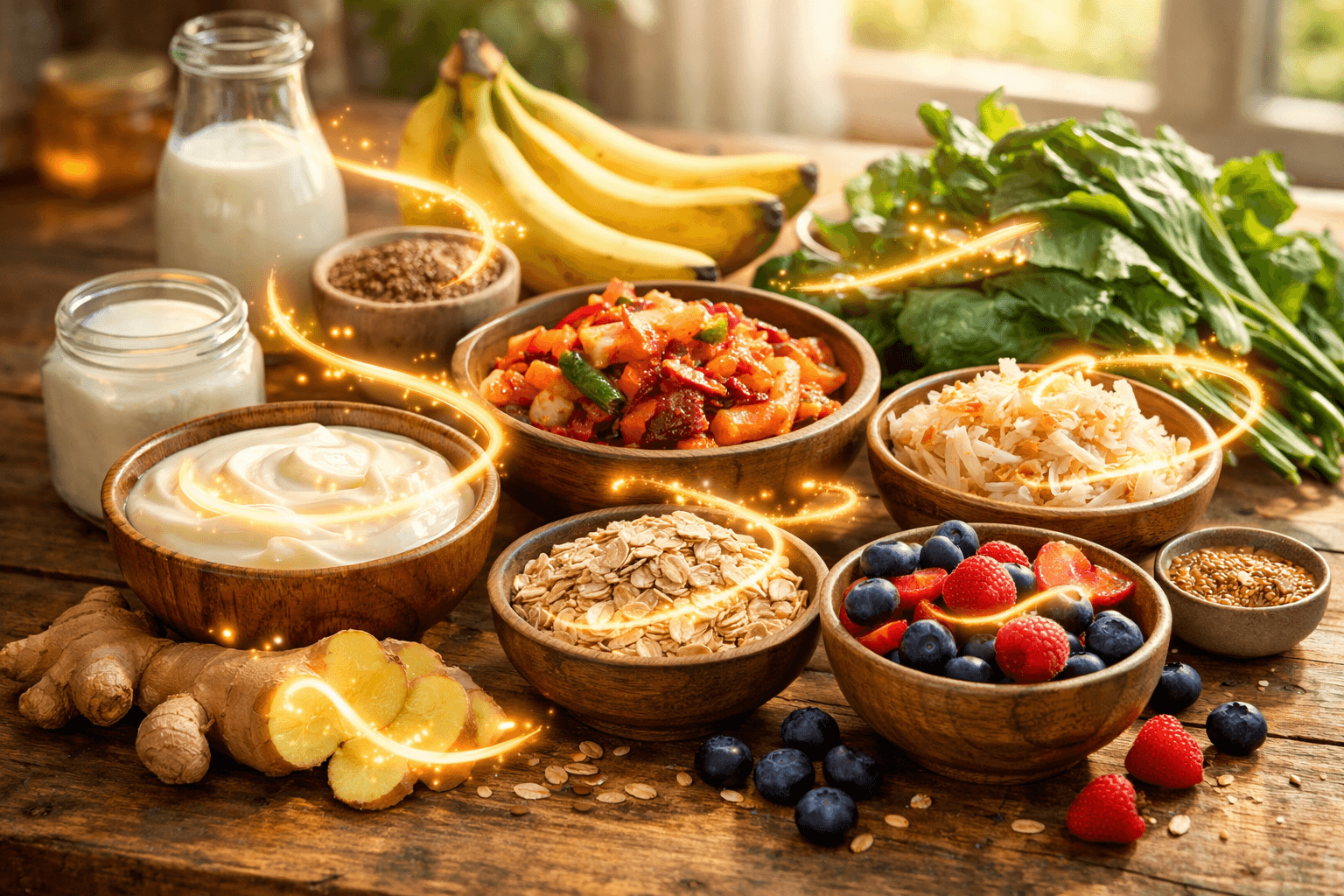
A healthy gut microbiome supports anti-inflammatory processes: - Eat plenty of fiber from fruits, vegetables, and whole grains - Include fermented foods like yogurt, kefir, and sauerkraut - Stay hydrated - Limit processed foods
Tracking Your Progress
Notice how you feel after eating anti-inflammatory foods: - Improved energy levels - Reduced joint pain - Better digestion - Clearer skin - Improved mood - Better sleep
The Bottom Line
An anti-inflammatory diet isn't about restriction - it's about abundance. By focusing on whole, nutrient-dense foods rich in antioxidants and healthy fats, you can support your body's natural healing processes and reduce chronic inflammation. Combined with other healthy lifestyle habits, this approach can significantly improve your overall health and well-being.