Heart disease remains a leading cause of death worldwide, but the good news is that dietary choices play a crucial role in prevention. This comprehensive guide will help you create a heart-healthy eating pattern that supports cardiovascular wellness.
The Foundation of Heart-Healthy Eating
A heart-healthy diet focuses on: - Whole, minimally processed foods - Abundant fruits and vegetables - Healthy fats - Lean proteins - Whole grains - Limited sodium and added sugars
Foods That Support Heart Health
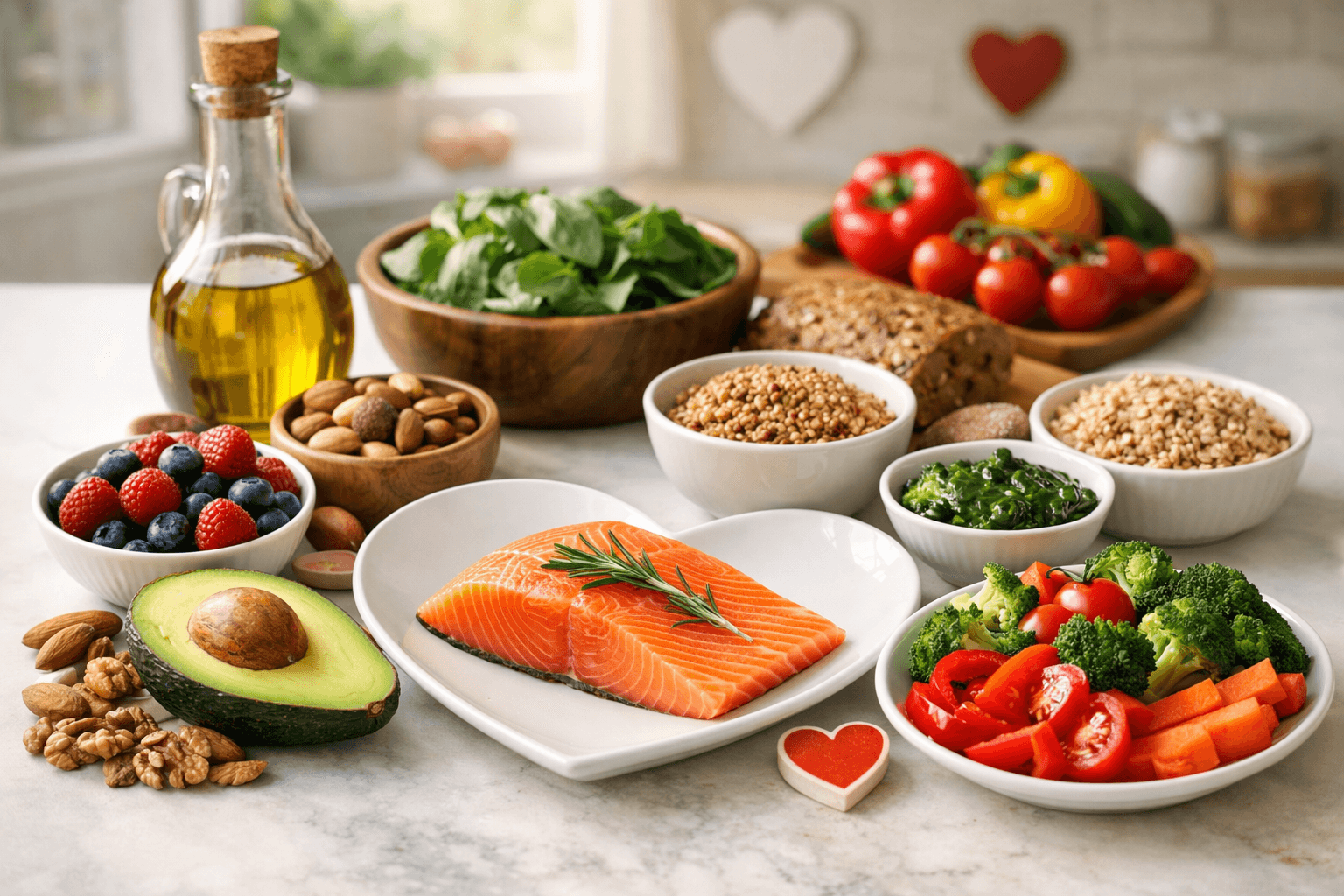
Fatty Fish like salmon, mackerel, sardines, and tuna are rich in omega-3 fatty acids, which reduce inflammation and support heart health. Aim for 2-3 servings per week.
Nuts and Seeds provide healthy fats, fiber, and plant sterols. Walnuts, almonds, chia seeds, and flaxseeds are particularly beneficial. Enjoy a handful daily.
Leafy Greens such as spinach, kale, and collard greens are packed with vitamins, minerals, and antioxidants that support cardiovascular health.
Berries are rich in antioxidants called anthocyanins, which help reduce blood pressure and improve vascular function.
Whole Grains like oats, quinoa, brown rice, and barley provide fiber that helps lower cholesterol and support heart health.
Legumes including beans, lentils, and chickpeas are excellent sources of protein, fiber, and heart-protective nutrients.
Avocados provide monounsaturated fats that help lower bad cholesterol while raising good cholesterol.
Olive Oil is rich in monounsaturated fats and antioxidants. Use it as your primary cooking oil.
Dark Chocolate (70% cocoa or higher) contains flavonoids that support heart health. Enjoy in moderation.
Foods to Limit or Avoid
Processed Meats like bacon, sausage, and deli meats are high in sodium and saturated fats. Limit consumption.
Trans Fats found in many processed foods, fried foods, and baked goods. Check labels and avoid products with "partially hydrogenated oils."
Excessive Sodium can raise blood pressure. Limit to 2,300mg daily (ideally 1,500mg). Read labels and cook at home to control sodium intake.
Added Sugars contribute to inflammation and weight gain. Limit to 25g daily for women, 36g for men.
Refined Carbohydrates like white bread, white rice, and sugary cereals can spike blood sugar and contribute to heart disease risk.
Saturated Fats from red meat, full-fat dairy, and tropical oils should be limited to less than 10% of daily calories.
The DASH Diet Approach
The Dietary Approaches to Stop Hypertension (DASH) diet is specifically designed for heart health: - Emphasizes fruits, vegetables, and whole grains - Includes lean proteins and low-fat dairy - Limits sodium, sweets, and red meat - Rich in potassium, calcium, and magnesium
Mediterranean Diet Principles
The Mediterranean diet is consistently linked to heart health: - Base meals on vegetables, fruits, whole grains, and legumes - Use olive oil as the primary fat source - Include fish and seafood regularly - Enjoy moderate amounts of dairy and poultry - Limit red meat and sweets - Enjoy meals with family and friends
Practical Meal Planning
Breakfast Ideas - Oatmeal with berries and walnuts - Greek yogurt with fruit and granola - Whole grain toast with avocado and eggs - Smoothie with spinach, berries, and chia seeds
Lunch Ideas - Quinoa salad with vegetables and chickpeas - Grilled salmon with roasted vegetables - Lentil soup with whole grain bread - Mediterranean bowl with hummus and vegetables
Dinner Ideas - Baked fish with sweet potato and steamed broccoli - Chicken stir-fry with brown rice and vegetables - Bean chili with whole grain crackers - Pasta with marinara sauce, vegetables, and lean protein
Snack Ideas - Apple with almond butter - Mixed nuts and dried fruit - Vegetable sticks with hummus - Greek yogurt with berries
Reading Food Labels for Heart Health
When shopping, check labels for: - Sodium content (aim for under 200mg per serving) - Saturated and trans fats (avoid trans fats completely) - Added sugars (limit products with high amounts) - Fiber content (choose products with 3g+ per serving)
Cooking Tips for Heart Health
- Use herbs and spices instead of salt for flavor - Choose baking, grilling, or steaming over frying - Replace butter with olive oil or avocado oil - Include vegetables in every meal - Prepare meals at home to control ingredients
The Role of Portion Control
Even healthy foods should be consumed in appropriate portions: - Protein: palm-sized portion - Carbohydrates: fist-sized portion - Fats: thumb-sized portion - Vegetables: fill half your plate
Supplements for Heart Health
While food should be your primary source of nutrients, some supplements may support heart health: - Omega-3 fatty acids (if not eating fish regularly) - Coenzyme Q10 - Magnesium - Vitamin D
Always consult with a healthcare provider before starting supplements.
Lifestyle Factors Beyond Diet
Heart health involves more than just food: - Regular physical activity (150 minutes weekly) - Stress management - Quality sleep (7-9 hours nightly) - Not smoking - Limiting alcohol consumption - Regular health check-ups
Monitoring Your Progress
Track your heart health with: - Regular blood pressure checks - Cholesterol panel (annually) - Blood sugar monitoring - Body weight and waist circumference - Energy levels and overall well-being
The Bottom Line
Heart-healthy eating doesn't mean deprivation—it means making smart choices that support your cardiovascular system. By focusing on whole foods, healthy fats, and limiting processed items, you can create a sustainable eating pattern that protects your heart for years to come.